Ilorin — A new wave of climate-conscious student leaders is emerging in Ilorin, Kwara state capital, as TruORGANIC Initiative for Social & Communities Development rolls out EcoCITIZENS, a project that turns secondary school students into “community auditors” for safer, greener learning environments.
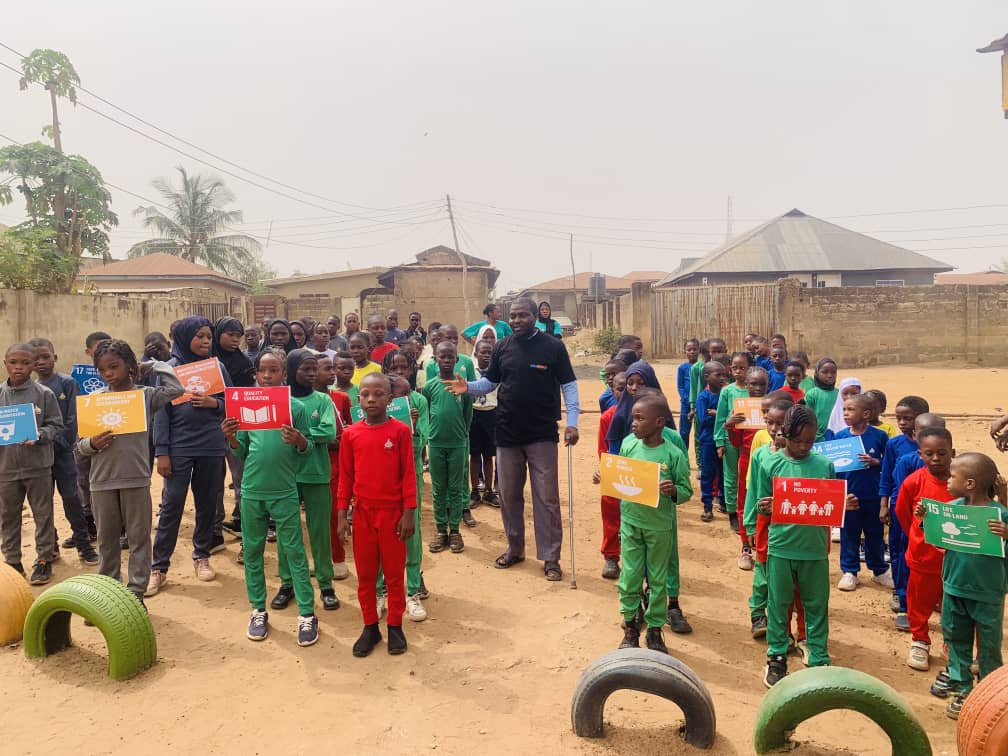
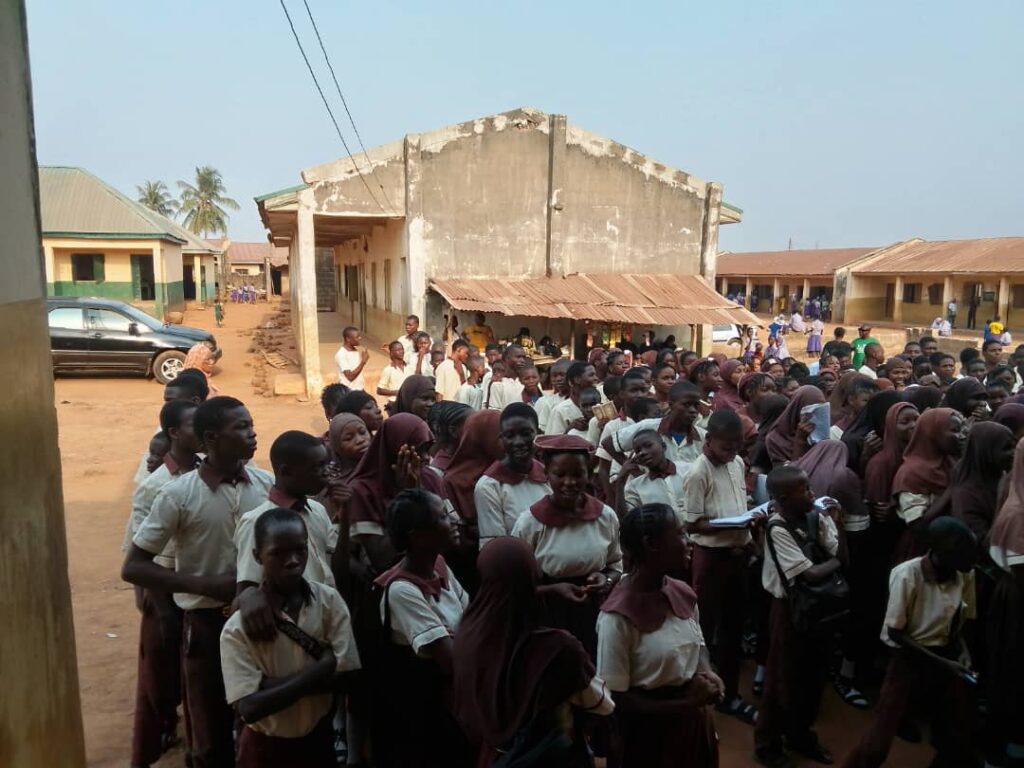
In its first outreach phase, EcoCITIZENS has already engaged more than 2,000 students across seven secondary schools in Ilorin metropolis —His Mercy Prevails School, Lumex International College, Ero-Omo Senior Secondary School, Almond Lands School, Tanke Community Junior School, Government Day Junior Secondary School and Government Day Senior Secondary School. Through interactive classroom sessions, school compound walks and small group discussions, students are learning how flooding, plastic waste, extreme heat and food insecurity are affecting their health, mental wellbeing and academic performance and what they can do about it.
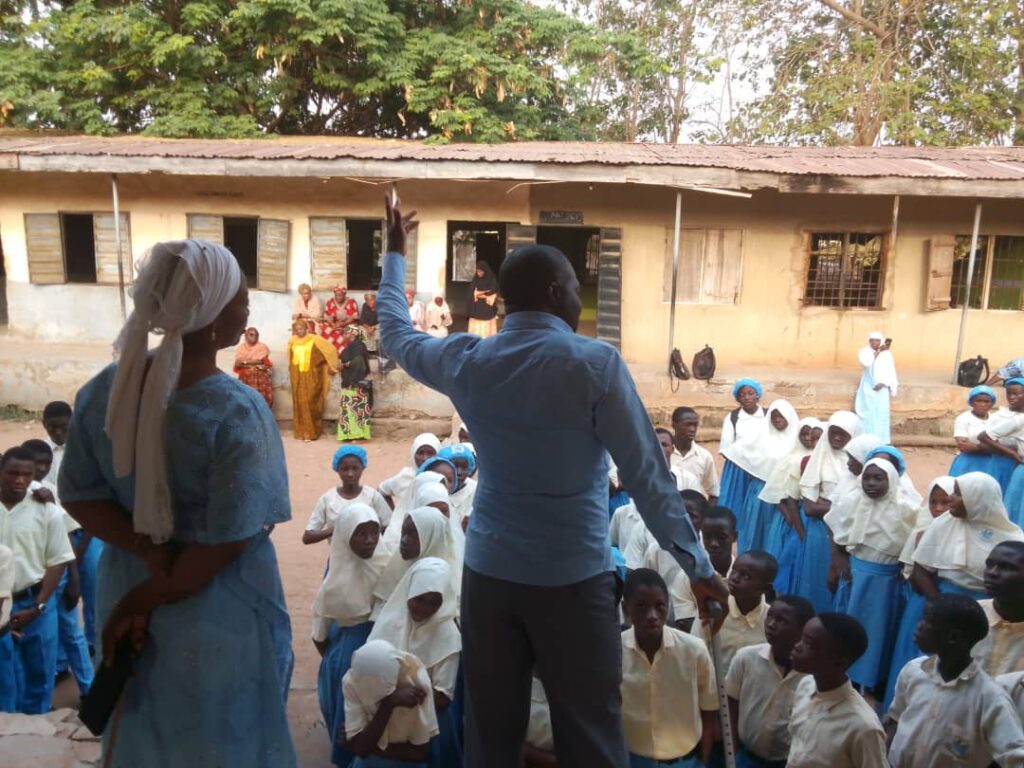
“Many students told us they thought climate change was something abstract or far away,” said Engineer Olaide Olawuwo, Executive Director of TruORGANIC Initiative and Project Lead of EcoCITIZENS. “By walking around their school compounds, mapping blocked drains and spotting illegal dumpsites near classrooms, they suddenly realised: climate change is right here, and we all have a role to play.”
During the outreach, students across all seven schools were guided to identify environmental risks around their learning environments clogged drainage channels that worsen flooding, burning of refuse that worsens air quality, and exposed waste that could attract disease vectors. At Ero-Omo Senior Secondary School and Government Day Senior Secondary School, for example, students mapped drainage blockages just metres from their classrooms, while learners at Tanke Community Junior School and Government Day Junior Secondary School documented open waste sites encroaching on their school boundaries. They then discussed practical, low-cost solutions they could champion with teachers and parents.
“We are not just teaching them about climate change; we are helping them connect it directly to their daily realities,” Olawuwo explained. “When a child understands that a flooded classroom or excessive heat in the afternoon is linked to how we manage our environment and how government spends public money, that child becomes a powerful advocate.”
Climate meets accountability in the classroom
What sets EcoCITIZENS apart is its introduction of simple “follow the money” ideas to young learners. Using age-appropriate examples, facilitators show students how government budgets, ecological funds and climate-related projects are supposed to address the same problems they witness: flooding around school gates, lack of trees for shade, poorly managed waste and erosion.
“EcoCITIZENS is about building climate-smart students who also understand accountability,” Olawuwo said. “We ask them: if there is a budget for drainage or school environmental improvements, are those drains working? Is the waste being collected? Can you respectfully ask questions and document what you see?”
Students at schools such as His Mercy Prevails School, Lumex International College and Almond Lands School practised drafting short “climate audit” notes — simple observations about environmental risks in and around their schools and learned how to share them constructively with teachers, parents, community leaders and, where possible, relevant authorities.
“This blend of climate education, environmental stewardship and public finance literacy is still rare in our schools,” Olawuwo noted. “But in just seven schools, we have seen how quickly young people grasp these ideas. They are ready to participate if we give them the tools.”
Next phase: scaling through NYSC and government partnerships
With the pilot phase showing strong promise, TruORGANIC Initiative is now moving into what Olawuwo described as the “partnership and scale” phase of EcoCITIZENS.
“Our next focus is clear: we want to move from seven schools to dozens of schools, and from 2,000 students to tens of thousands of learners across Kwara State,” he said. “We cannot do this alone, so we are opening our doors to strategic partners who share this vision.”
The first group being targeted are members of the National Youth Service Corps (NYSC), especially those serving in Community Development Service (CDS) groups related to education, environment, engineering and civic engagement.
“Corps members are already embedded in communities and schools,” Olawuwo explained. “With brief training and ready-to-use materials, NYSC volunteers can deliver high-quality EcoCITIZENS sessions to thousands of students every term. We are inviting NYSC CDS groups in Ilorin and across Kwara to join us as volunteer facilitators.”
According to him, TruORGANIC Initiative is prepared to provide step-by-step guides, activity sheets and simple monitoring tools so that corps members can confidently lead climate and accountability clubs in both junior and senior secondary schools.
Mainstreaming EcoCITIZENS into the school system
Beyond volunteer facilitators, TruORGANIC Initiative is also seeking to institutionalise EcoCITIZENS within the formal education system. The organisation is calling for collaboration with the Kwara State Ministry of Education & Human Capital Development, the Kwara State Universal Basic Education Board (SUBEB), the Kwara State Internal Revenue Services (KW-IRS), the Kwara State Ministry of Environment and the Kwara AGILE (Adolescent Girls Initiative for Learning and Empowerment) project.
“We see EcoCITIZENS as a ready-made tool that can plug into what the state is already doing,” Olawuwo said. “We are not trying to create a parallel structure. Instead, we want to embed EcoCITIZENS content into existing school clubs, guidance and counselling programmes, civic education periods and especially girls’ empowerment initiatives under AGILE.”
He stressed that public school students particularly girls and those from low-income communities are among the most vulnerable to climate shocks and disruptions to learning. The experiences at Government Day Junior Secondary School and Tanke Community Junior School, he noted, underscored how students in public schools face the worst impacts of environmental neglect yet receive the least support.
“When flooding shuts down a school or heat waves make classrooms unbearable, it is often the poorest students and adolescent girls who are most affected,” he said. “Our goal is that every child in Kwara learns in a school that is safer, greener and better prepared for a changing climate — and that every young person understands how to hold decision makers accountable for the resources meant to protect them.”
Linking students’ reports to government action
A crucial part of the next phase is building a bridge between what students observe on the ground and how government agencies respond. TruORGANIC Initiative is therefore calling on the Kwara State Ministry of Environment and allied agencies to help co-create simple, functional reporting and feedback channels.
“Across the seven schools we visited from His Mercy Prevails School to Government Day Senior Secondary School — students were already pointing out where drains are blocked, where waste management has failed and where erosion is threatening school infrastructure,” Olawuwo revealed. “What we want now is a system where those observations don’t just end in a notebook, report or advocacy letter they reach the right government desks.”
He suggested that with basic tools such as standardised reporting forms, a WhatsApp or SMS channel, and periodic review meetings, EcoCITIZENS clubs could become a valuable source of local data for the Ministry’s planning, clean-up campaigns and climate adaptation projects.
“When young people see that what they report leads to action maybe a drain is cleared, a clean-up exercise is organised, or a tree planting project is launched it changes everything,” Olawuwo said. “They stop seeing themselves as victims and start seeing themselves as partners in managing the environment.”
Building a community of practice around school climate action
TruORGANIC Initiative is also reaching out to universities, NGOs, professional groups and media platforms that are active in education, climate change and environmental management. Olawuwo believes EcoCITIZENS can serve as a practical, scalable model that complements research and policy work.
“Across Kwara, we are beginning to see Communities of Practice emerging around education reform and climate resilience,” he observed. “EcoCITIZENS offers a concrete model at the school level that can link with teacher training, curriculum development, research projects and media advocacy.”
He added that collaboration with academic institutions could help in refining the EcoCITIZENS model, measuring learning outcomes and documenting best practices that can inform state and national education policies.
“We are ready to work with universities and teacher training colleges to integrate EcoCITIZENS methodologies into pre-service and in-service training,” he said. “If tomorrow’s teachers already understand how to teach climate literacy and public accountability together, the impact will be enormous.”
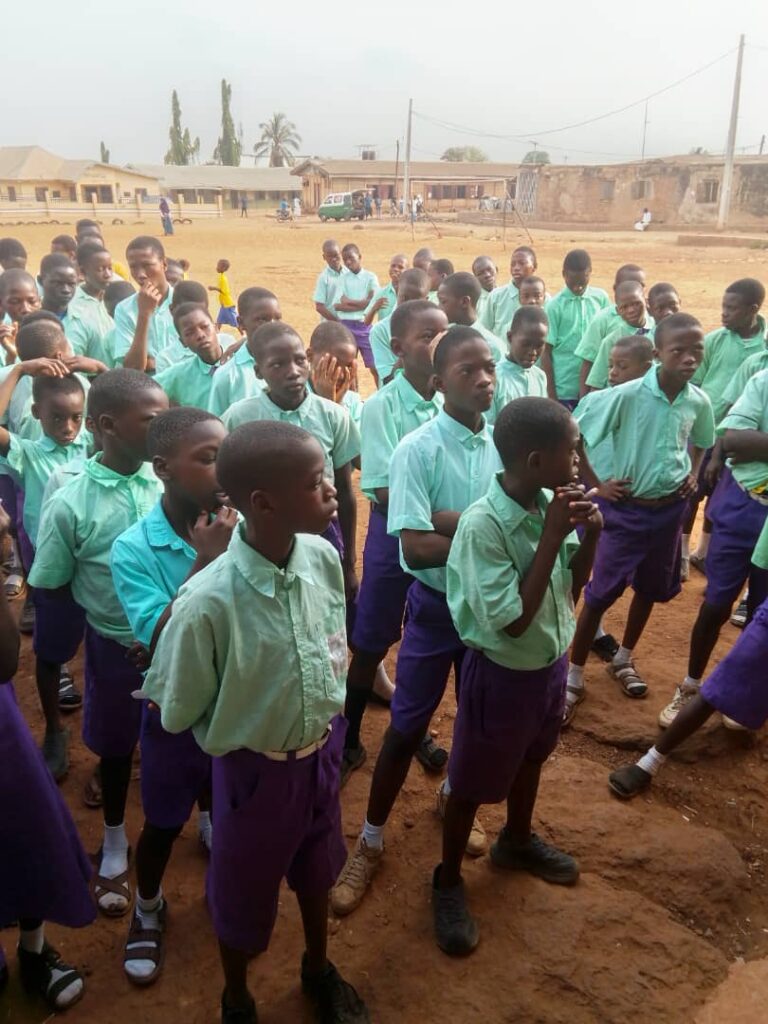
A vision for Kwara’s young EcoCITIZENS
Looking ahead, Olawuwo said the vision driving the initiative remains simple but ambitious.
“We imagine a Kwara where every secondary school has an active EcoCITIZENS club,” he stated. “In those clubs, students are not just picking litter they are understanding why the litter is there, how waste systems should function, who is responsible, and how to engage constructively with leaders to fix the problem.”
He emphasised that with just a few months of work, EcoCITIZENS has already shown what is possible.
“In only seven schools His Mercy Prevails School, Lumex International College, Ero-Omo Senior Secondary School, Almond Lands School, Tanke Community Junior School, Government Day Junior Secondary School and Government Day Senior Secondary School more than 2,000 students have been engaged. They have walked their school environments, discussed their fears about flooding and heat, and started drafting their own climate audit notes,” he said. “Now imagine what we can do with strong partnerships from NYSC, government ministries, development programmes and professional communities. We can reach tens of thousands of learners across the state.”
Olawuwo called on interested organisations and agencies within and beyond Kwara State to support and replicate the model.
“Climate change is not waiting for our students to graduate before it affects them,” he concluded. “The least we can do is to equip them now, in their classrooms, with the knowledge, skills and confidence to protect their education and to demand accountability. That is what EcoCITIZENS is about.”
Organisations, schools and agencies interested in partnering with EcoCITIZENS or inviting the programme to their schools can contact TruORGANIC Initiative for Social & Communities Development via +2347036305205 / truorganicinitiative@gmail.com / https://truorganic.org.